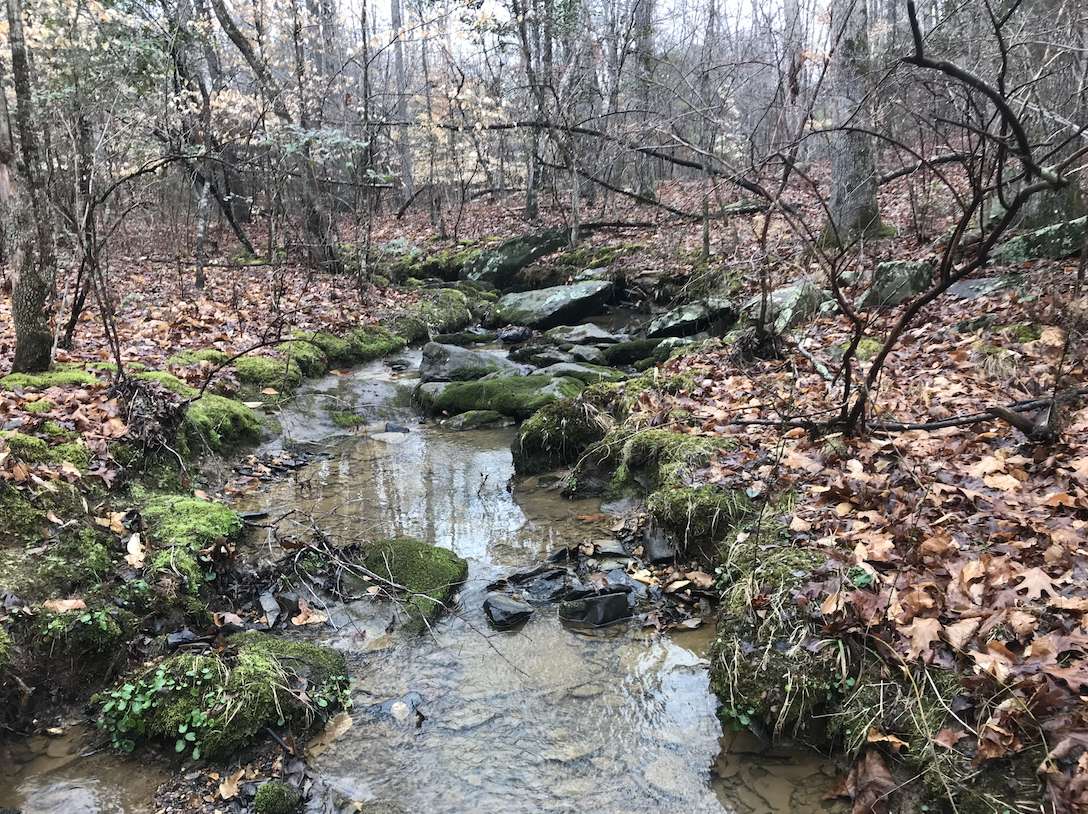


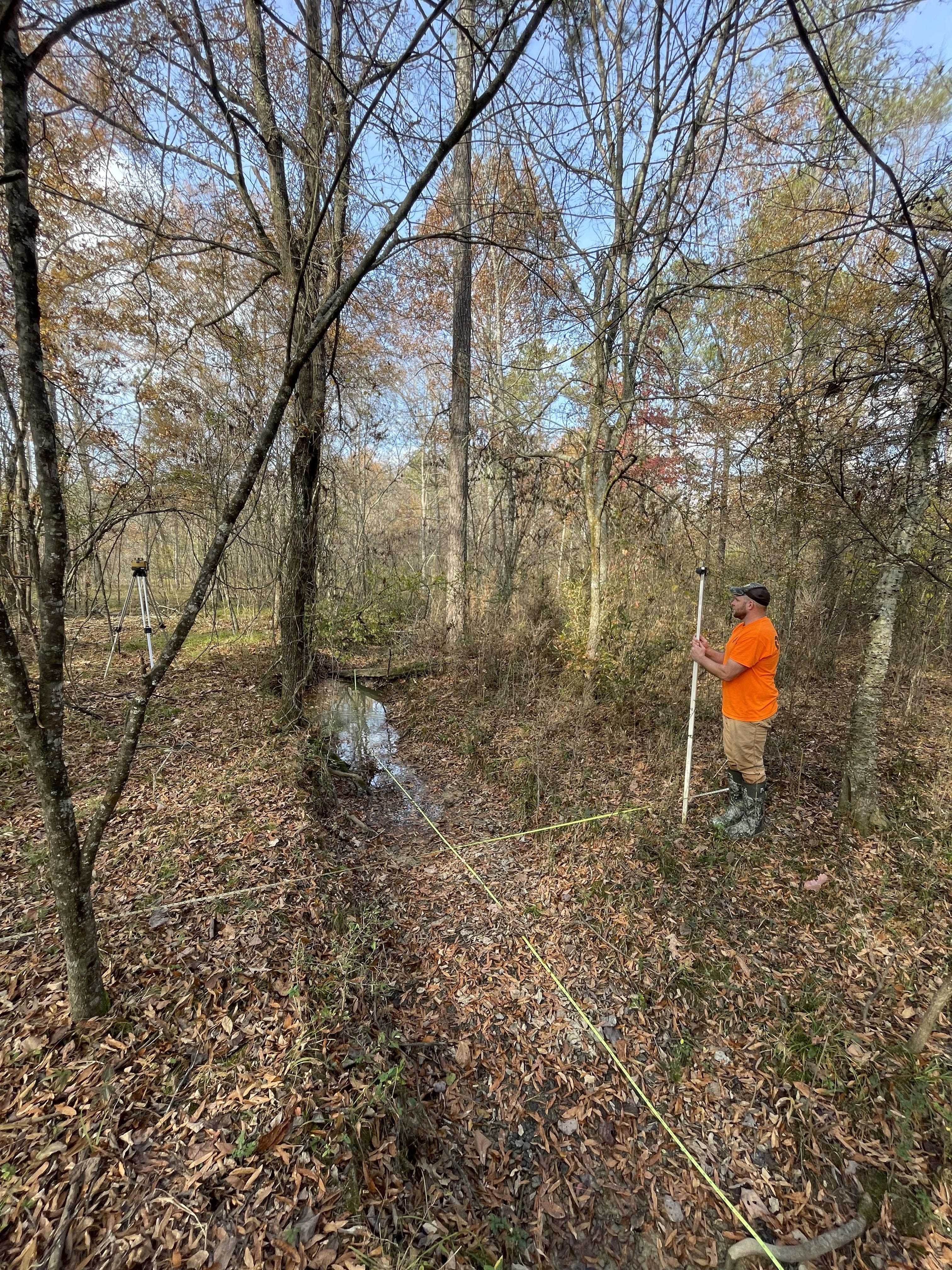
Why guess at what a healthy stream should look like when nature has already provided the blueprint? [Figure 1]
In stream and river restoration design, reference streams aren't just "nice to have"— they are the essential starting point for our design process. They provide the basis for our analog, empirical, and analytical design approaches required to design and build resilient ecosystems (Hey and Thorne, 1986; Rosgen, 1996; Shields et al., 2003; Page et al., 2024). By studying and surveying natural, high-functioning reference streams, we can move beyond concepts and into evidence-based design.
Reference reaches inform:
- Stream Morphology: Determining the specific dimensions, patterns, and profiles that "fit" the landscape.
- Watershed and Landscape Processes: Studying and measuring the form of the stream and river over time gives us valuable insights about the active processes occurring within the contributing watershed and landscape.
- Hydraulic & Sediment Transport Regimes: Ensuring the new channel can handle its transport water and sediment without excessive erosion or aggradation.
- Performance Standards: Establishing clear, measurable success criteria based on local and practical ecological targets.
Challenges Locating Reference Streams in the Southeast US
In many parts of the Southeast US, unmanipulated and naturally occurring reference streams can be extremely difficult to locate and survey. Legacy effects persist from post-European settlement that triggered intensive logging, massive soil erosion, valley sedimentation (where old topsoil filled in valleys) and subsequent stream channel incision. Historical ditching and channelization for agriculture is also widely encountered in the search for reference streams (as well as potential restoration sites!). Many high-quality streams are on private land, making them difficult to study due to access restrictions compared to those on protected public lands.
Hierarchy of Reference Reach Data
We categorize data into five types, ranked by relevance:
- Onsite Reference Streams: (Gold Standard) Located immediately up or downstream of the project. Data from an onsite reference reach will always yield the most useful information for stream design to determine what is appropriate for the valley.
- Offsite Reference Streams: Located in similar valleys/watersheds nearby.
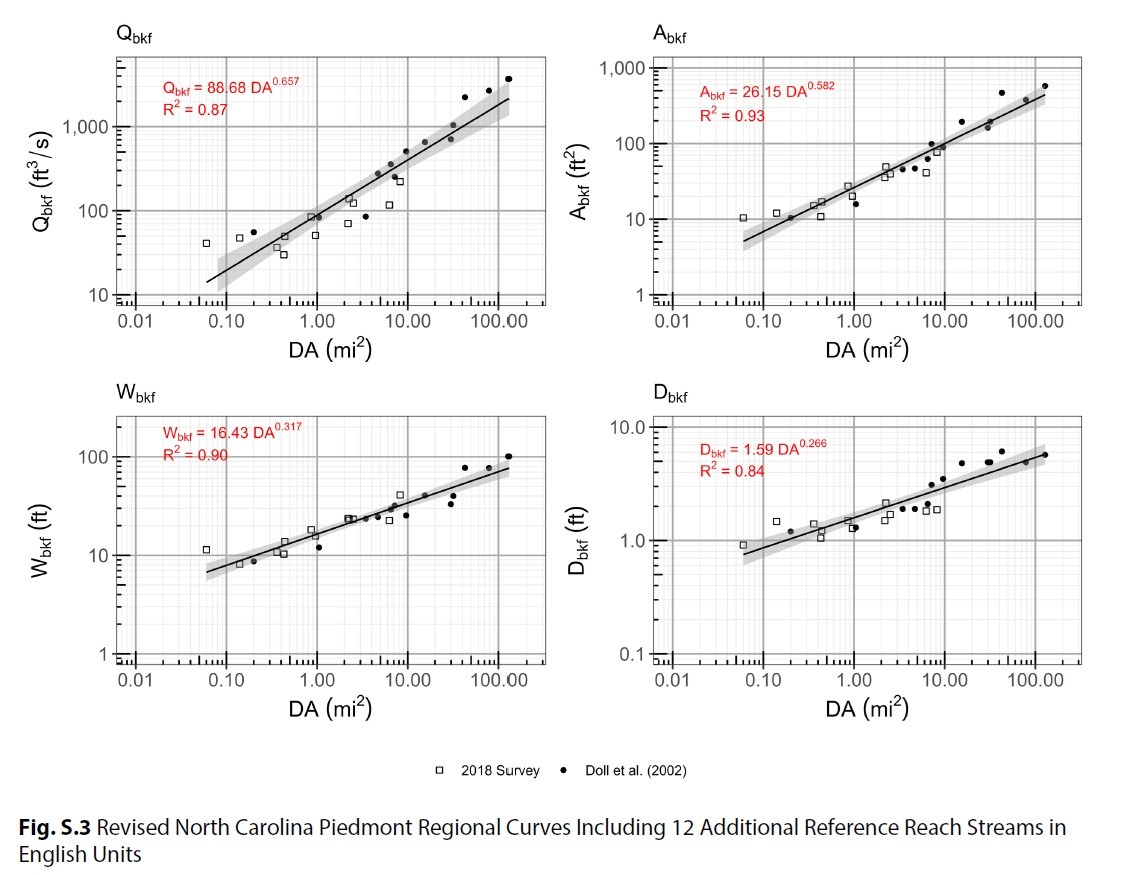
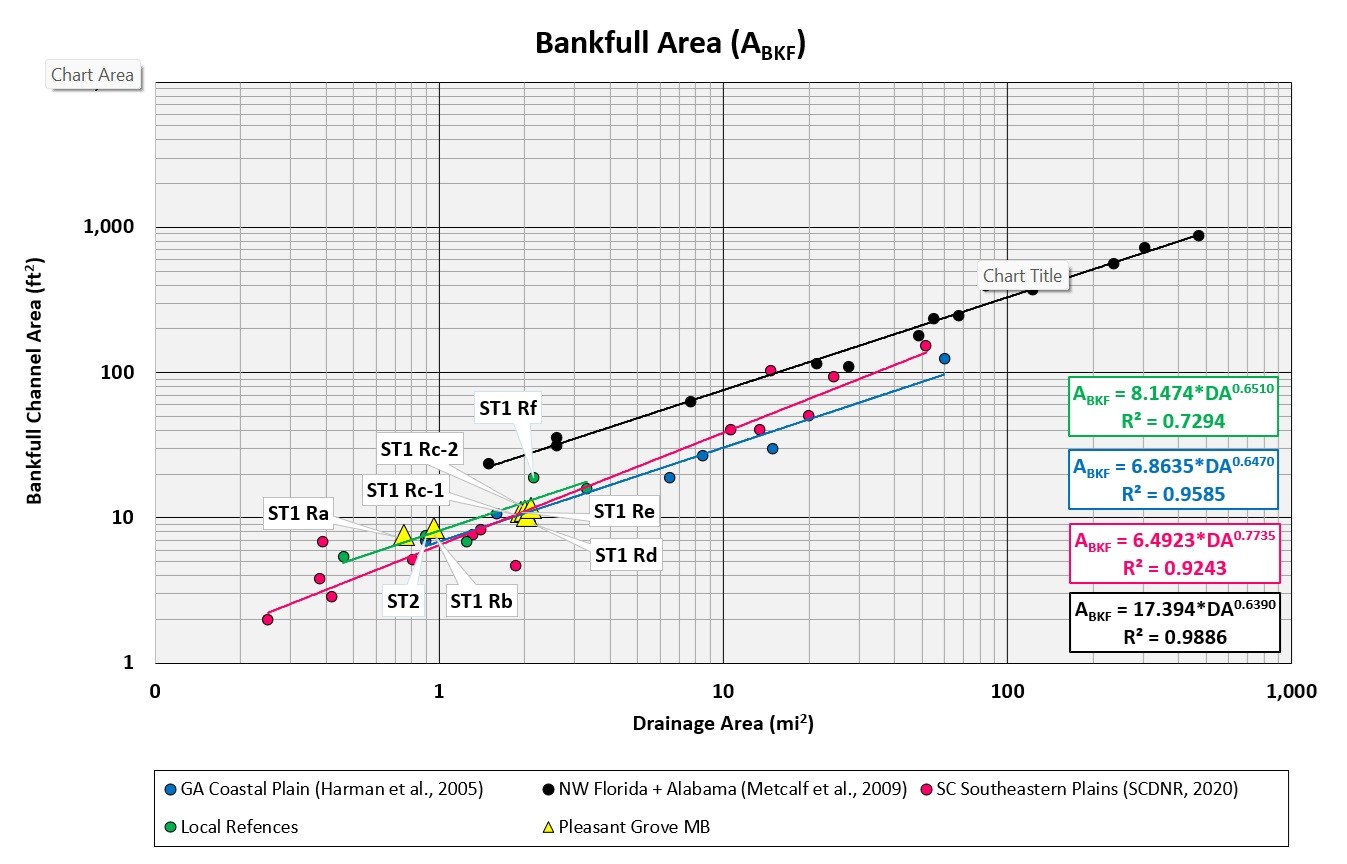
- Published Regional Curves: Peer-reviewed data sets specific to an ecoregion that include hydraulic geometry relationships for bankfull discharge (QBKF), area (ABKF), width (WBKF) and depth (DBKF) [Figure 2].
- Local or "Mini" Curves: Internal databases of surveyed cross-sections from the project vicinity that is used to supplement or verify regional data
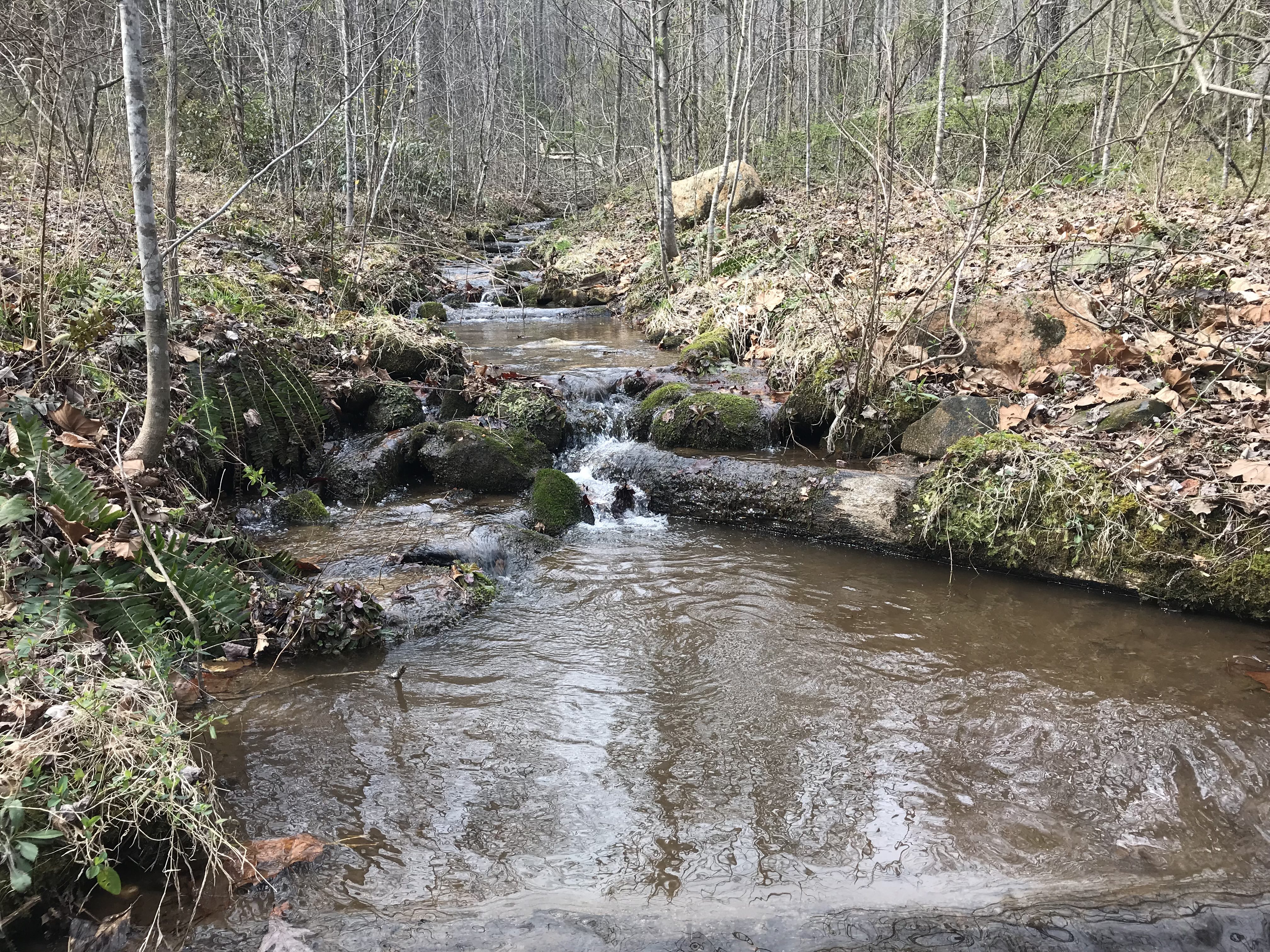
- Successfully implemented and monitored stream restoration projects. A lot can be learned from successful restoration projects that have 7 to 10 years of post-implementation monitoring data available [Figure 3].
Case Study: A Mitigation Bank in Georgia’s Southeastern Plains
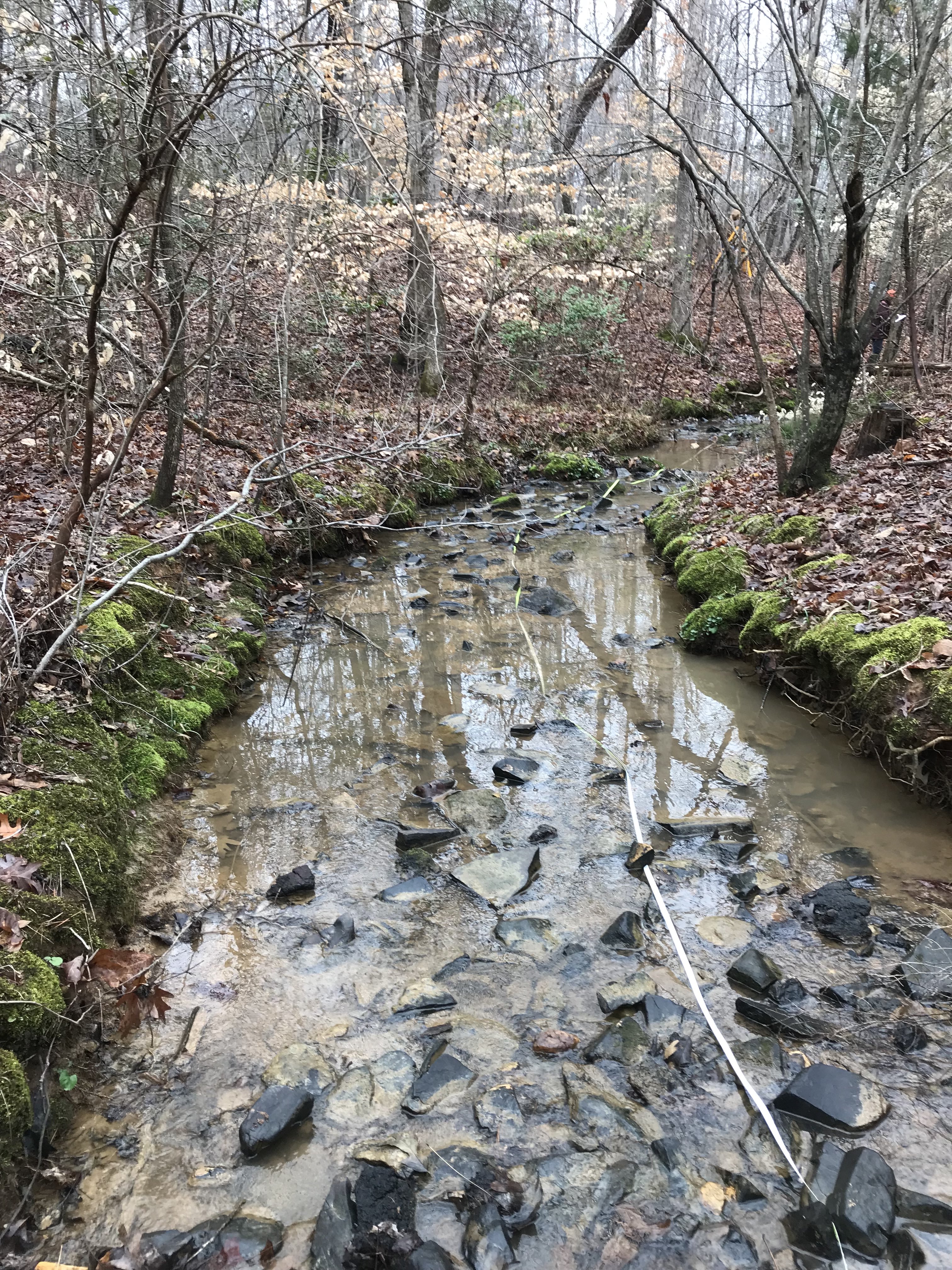
For our work on a recent stream and wetland mitigation bank in Georgia, we didn't look far to find our design template. We identified and surveyed two onsite reference reaches that were proposed for preservation and located immediately upstream and downstream of our design streams [Figure 4]. By anchoring our design in these local benchmarks, we were able to study and evaluate the sediment supply and transport regimes, hydraulic characteristics, and develop target morphological design criteria that are appropriate for the valley. We validated these findings with publicly available regional curves for the Southeastern Plains and used survey data from our internal database to construct a local or “mini” reference curve [Figure 5].
River Mechanics’ Experience
River Mechanics has decades of experience identifying, surveying and assessing reference streams for use in stream and river restoration design and recently published an article discussing the changes and adjustments that occurred in multiple reference streams over a period of 10 years.
Article link: https://journals.uvm.edu/jeed/article/id/7/

JP founded River Mechanics in 2020 after several years conducting applied research and teaching at NC State's Bio&Ag Engineering Department. He has led more than 200,000 linear feet of stream and river restoration across the Southeast and is licensed in NC, SC, GA, TN, and VA.