From Lentic to Lotic: Lessons in Pond Removal and Headwater Stream Restoration
•
May 26, 2026
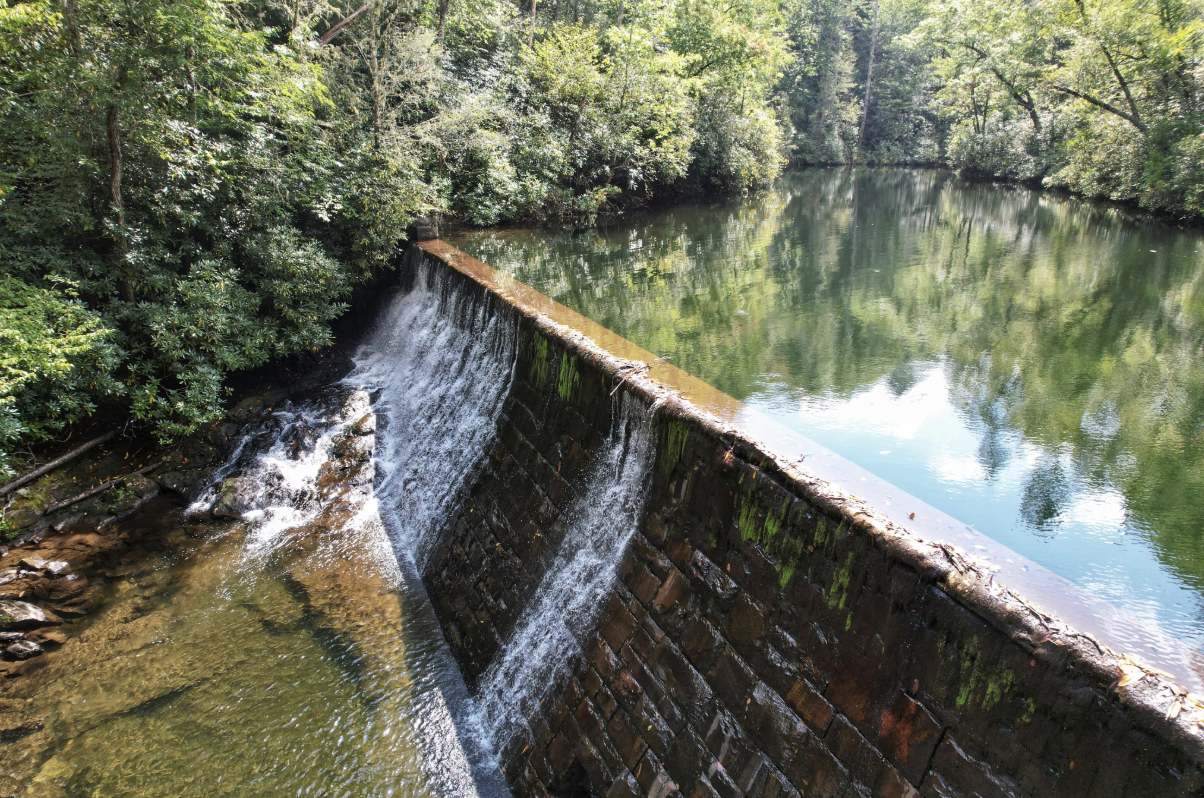


Across the Southeast US thousands of small man-made ponds and earthen embankments dot the landscape. These ponds were commonly created along streams and wetlands to impound water for agricultural and recreational use. But now many of these impoundments have outlived their intended purpose and are simply barriers to Aquatic Organism Passage (AOP), sediment transport and habitat connectivity.
We’ve recently had the opportunity to implement several pond removal projects: getting knee deep (at times literally) in design, permitting, and construction. We’ve found that there is nothing more rewarding than re-establishing headwater streams that have been impounded for decades. However, we’ve learned that the process is often tougher than it looks. Things tend to get messy before they get better.
Here are some key lessons learned for project owners looking to convert lentic (still) systems back into the lotic (flowing) systems that historically defined these valleys.
Dewater Responsibly
The sooner you can get the water out, the better. Giving the pond bottom time to dry and the sediments time to settle is critical for equipment access. Our preferred approach is to use a temporary outlet structure rather than a simple breach in the embankment. This allows you to control the drawdown, prevents the newly daylighted stream from headcutting through soft pond sediments, and significantly reduces downstream sediment export.
Survey (and Re-Survey)
If you collected bathymetry data while the pond was full, use the drawdown as an opportunity to verify those elevations. Once the historical valley is exposed, you’ll often find micro-topography or legacy features that weren't visible on the sonar. Supplemental survey data at this stage is worth the investment to avoid more costly design modifications and potential change orders from the builder during implementation.
Work Around the Soft Spots
Even after a successful dewatering and drying period, the pond-bottom sediment is rarely uniform. There will inevitably be areas too soft for heavy equipment. Identify these no-go zones early and plan ahead. You may need to re-align the new channel to avoid them or excavate the unstable material. Don’t look far for fill; the old embankment often provides excellent material to replace soft pockets and construct the new channel banks. In general, keep the design and construction plan flexible for dealing with the soft spots.
Ponds Bottoms are Tough on the Schedule
Restoring a stream through an old pond bed is not the same as working in a cow pasture or a silviculture site. Everything takes longer. Navigating saturated soils, managing water through the site and staying on top of erosion control practices during implementation adds complexity and time. Plan for these delays early so they don't push your construction into the tail-end of your winter or early spring planting windows.
Soil Chemistry is Uncertain
The soil at the bottom of a flooded valley has been under anaerobic conditions for decades. Its fertility, pH and organic content are unpredictable. Conduct soil analysis early to determine necessary amendments. We’ve found that applying a thin layer of imported topsoil (ideally sourced on-site) is often the single most effective way to kickstart vegetation and prevent the site from remaining a moonscape.
Keep an Eye on It
Monitoring the site for both channel stability and vegetation establishment is vital in the years following construction. Reapplication of soil amendments, overseeding and supplemental plantings is fairly common in the first two growing seasons.
Why the Mess is Worth It
While pond removals require more hands-on problem-solving than your average stream restoration project, the ecological functional uplift can be off the charts. By removing the embankment and spillway, you are opening upstream habitat to fish and macroinvertebrates that have been cut off for a generation. It’s a messy, muddy, complex and time-consuming process, but seeing that first ripple of flowing water over a new riffle makes it all worth it. At River Mechanics, we enjoy navigating these complexities. If you have a project in mind or want to discuss the feasibility of an impoundment removal, we are here to share our expertise.

JP founded River Mechanics in 2020 after several years conducting applied research and teaching at NC State's Bio&Ag Engineering Department. He has led more than 200,000 linear feet of stream and river restoration across the Southeast and is licensed in NC, SC, GA, TN, and VA.

Cameron has spent twelve years in ecological restoration, from leading survey crews to designing grant-funded projects at NC State. At River Mechanics he carries projects from site assessment through final design and post-construction monitoring.