

But you do need experience, technical analysis, and permitting expertise to move complex projects forward with confidence.
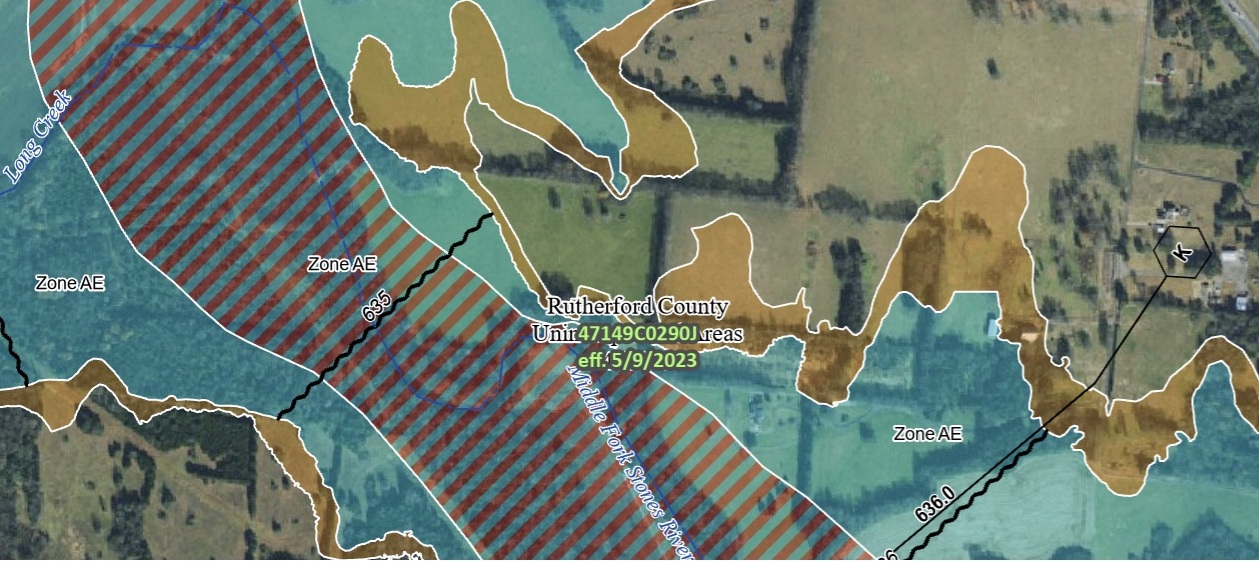
If your planned project is located within a FEMA floodplain, you could be looking at a complex and time-consuming permitting process. Any type of site development that involves grading and earthwork within a mapped FEMA floodplain (formally known as a Special Flood Hazard Area or SFHA) will require a floodplain development permit through the local community (typically the city, town, or county). By their very nature, water resources and ecosystem restoration projects are frequently located within an SFHA, regulatory floodway, and/or non-encroachment area. Fortunately, we love working in the floodplain and understand that this is just part of the deal.
Why Getting It Right from the Start Matters
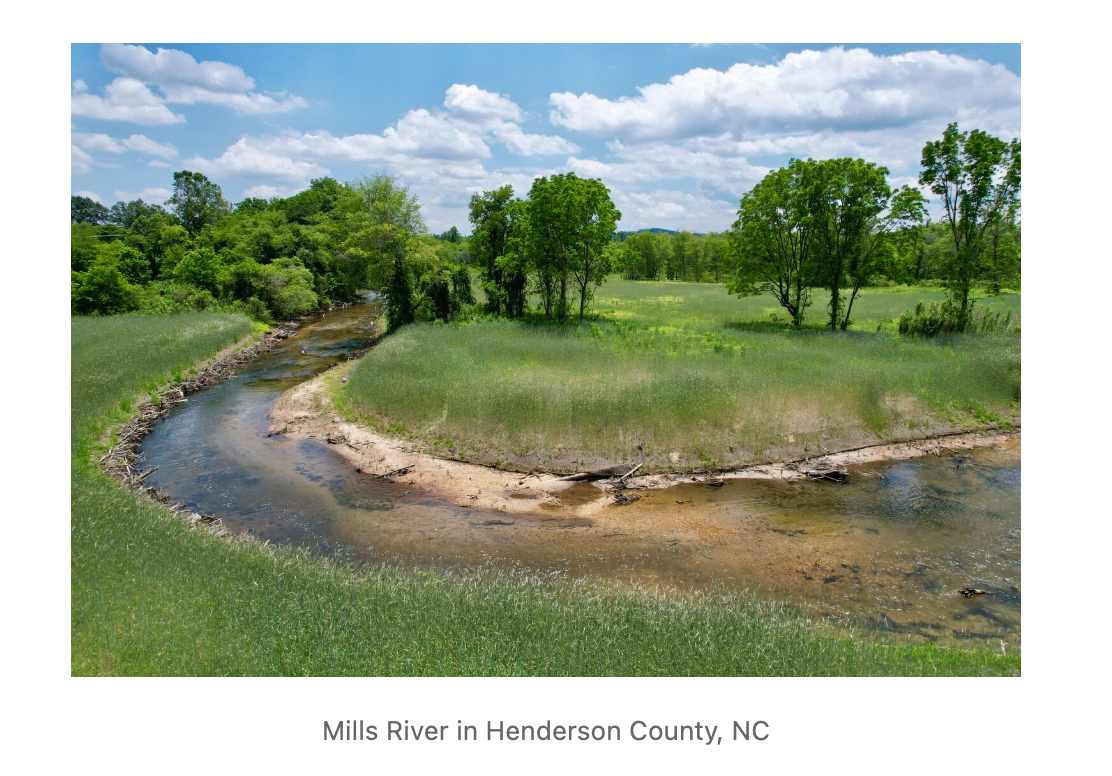
Making sure the floodplain development permitting process is handled correctly from the beginning is critical. Proceeding without the required paperwork can result in stop-work orders, monetary fines, other enforcement actions, and even the removal or modification of completed work (worst case scenario!). Beyond the direct consequences to your project, unpermitted floodplain development can jeopardize a community's standing in the National Flood Insurance Program (NFIP), which is why local floodplain administrators take their review and enforcement role seriously, and why you should expect them to scrutinize your project closely.
The good news is that floodplain development permitting is predictable when you know the process. The path your project takes comes down to one primary question: does your project increase base flood elevations, or doesn't it?
No-Rise Certification is the Preferred Path
When a stream restoration project is in the SFHA, the objective is generally to obtain a No-Rise Certification through technical analysis and hydraulic modeling. A No-Rise Certification is exactly what it sounds like: technical analysis, sealed by a professional engineer, that the proposed project will not increase base flood elevations (typically the 1%-annual-chance or "100-year" flood) on your site or on neighboring properties.
Getting there requires duplicating the effective FEMA study, building a hydraulic model of existing condition, then modeling your proposed project against it and comparing the results. When the analysis shows no increase in flood elevations compared to the existing condition, the local floodplain administrator can issue a floodplain development permit without involving FEMA at all. This is the fastest, least expensive path to implementing your project.
This is also where thoughtful and iterative design pays off. Restoration projects that reconnect floodplains, add floodplain benches, or restore natural channel geometry can often be designed to achieve no-rise conditions, and in many cases slightly decrease flood elevations. Bringing the hydraulic analysis into the design process early rather than treating it as a permitting checkbox at the end is often the difference between achieving a No-Rise Certification and an expensive and time consuming detour through FEMA's CLOMR/LOMR process.
The CLOMR/LOMR Process
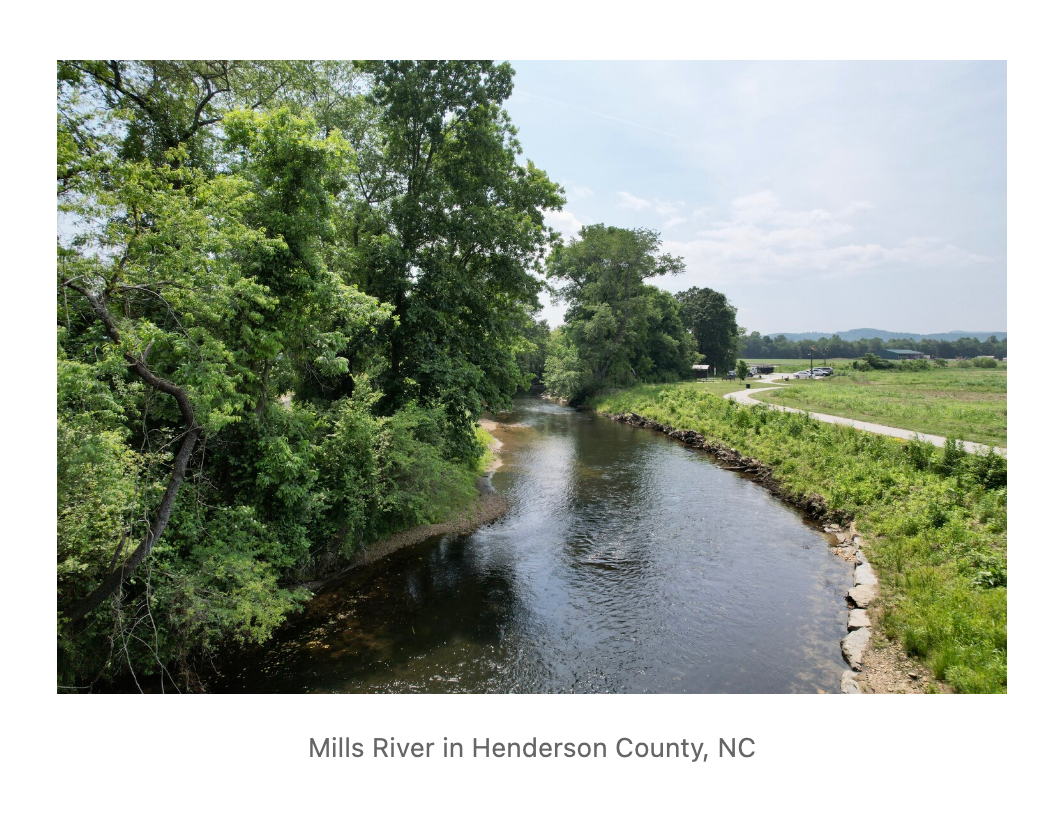
Sometimes the no-rise conclusion can't be achieved, no matter how the design is refined. In that case, a Conditional Letter of Map Revision (CLOMR), will be required before the local community and floodplain administrator can issue a floodplain development permit. Within 6 months after completion of all stream restoration activities, a request for a Letter of Map Revision (LOMR) must be submitted to FEMA (your tax dollars at work).
Essentially the CLOMR is FEMA's pre-construction review confirming that your proposed project, and the resulting changes to flood elevations or floodplain boundaries, meet federal requirements. The LOMR comes after construction and officially revises the FEMA flood maps to reflect as-built conditions. Both are required, a CLOMR without a follow-up LOMR leaves your project and the local community out of compliance with NFIP.
One trend worth noting, we have seen some local floodplain administrators require a CLOMR and LOMR from FEMA even when we have been able to provide a No-Rise Certification through our technical analysis and hydraulic modeling. Communities carry the liability for floodplain decisions, and some administrators prefer the added assurance of FEMA's independent review. It's worth having a direct conversation with the floodplain administrator early in design to understand exactly what they will require before you build your budget and schedule around the wrong assumption.
What the CLOMR/LOMR Process Really Costs
For a project owner, this isn't just a paperwork issue; it's a significant financial and schedule commitment. FEMA review fees alone currently sit at $14,500 ($6,500 for the CLOMR and $8,000 for the LOMR). That's before you account for the additional engineering fees required to prepare and process the submittals. Think endless federal forms, chasing down signatures, public notices and certified letters to affected property owners, 100+ page engineering reports, and multiple review cycles with FEMA contractors that have up to 90 days to respond after each submittal. Bring. The. fun.
Before your CLOMR review can even begin, you'll also need to demonstrate that your project is compliant with the Endangered Species Act (ESA). Fortunately, Nationwide Permits issued under Section 404 of the Clean Water Act (CWA) will cover most ESA compliance issues for ecosystem restoration projects (learn more about the permitting process in our post here).
On the schedule side, you need to add 6–9 months for the CLOMR into your pre-construction timeline, and another 3–6 months for the LOMR after implementation and completion of your as-built drawings. For grant-funded projects with expenditure deadlines, or projects with in-stream work windows driven by various time of year restrictions (think bats, trout, hellbenders and mussels), that timeline needs to be known from day one.
How Project Owners Can De-Risk the Process
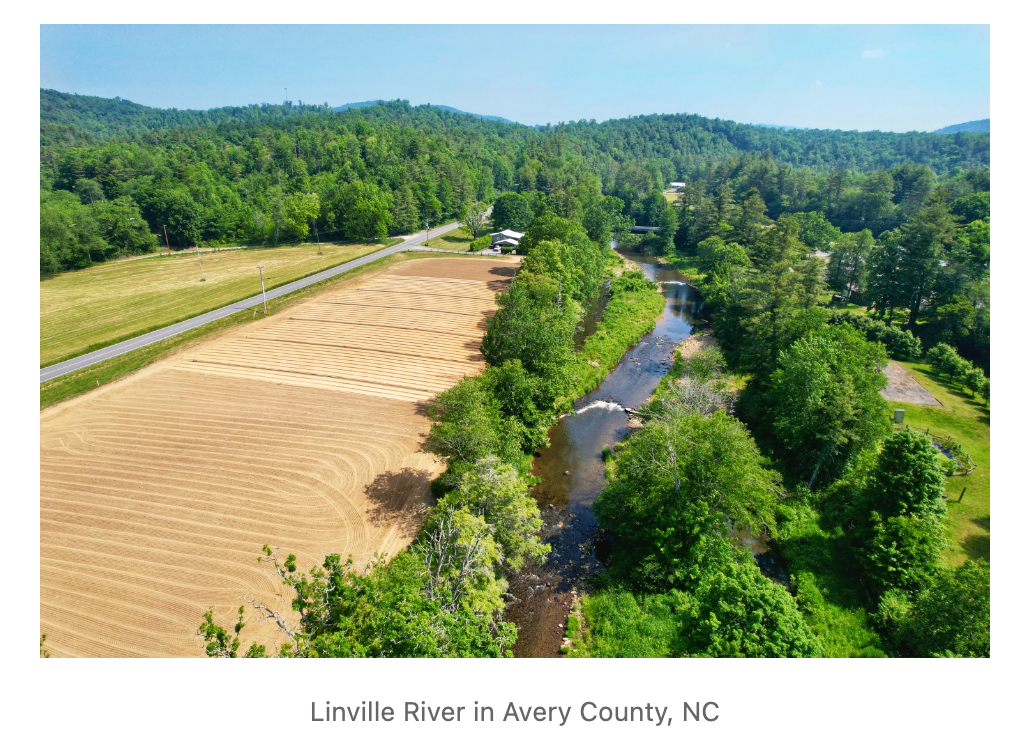
A few things we recommend to every owner with a project in or near an SFHA:
- Screen potential floodplain issues early. Before design begins in earnest, confirm whether your project touches an SFHA, floodway, or non-encroachment area, and pull the effective FEMA study and model. Surprises here are cheapest to fix at the concept stage.
- Talk to the floodplain administrator before you need a permit. A 10-minute conversation early in design can reveal local ordinance requirements that go beyond FEMA minimums and whether the community will accept a No-Rise Certification or expect a CLOMR regardless.
- Let the hydraulic model inform the design, not just document it. Iterating the design against the hydraulic model gives you the best shot at no-rise and avoids a late-stage scramble.
- Build the timeline and budget around the realistic path. If a CLOMR/LOMR is likely, account for the FEMA fees, engineering effort, and 9–15 months of combined review time in your project schedule from the start.
Every Community Is Different and Experience Matters
Every state and local community has its own unique floodplain ordinance, and no two floodplain administrators run their programs exactly the same way. River Mechanics' staff have decades of experience conducting flood studies, working with local floodplain administrators, and preparing CLOMR/LOMR applications across FEMA Region IV (NC, SC, GA, and TN).
If you are a project owner with a stream or river restoration project in a FEMA floodplain, please reach out to us. We'd love to collaborate with you and get you on the way to implementation of your project.

JP founded River Mechanics in 2020 after several years conducting applied research and teaching at NC State's Bio&Ag Engineering Department. He has led more than 200,000 linear feet of stream and river restoration across the Southeast and is licensed in NC, SC, GA, TN, and VA.

Jack is a Research Scholar in NC State's Biological & Agricultural Engineering Department, where he models flooding, water quality, and natural infrastructure for communities across eastern North Carolina and trains practitioners in stream assessment and hydraulic modeling. He is a licensed professional engineer with degrees from the University of Florida and NC State.