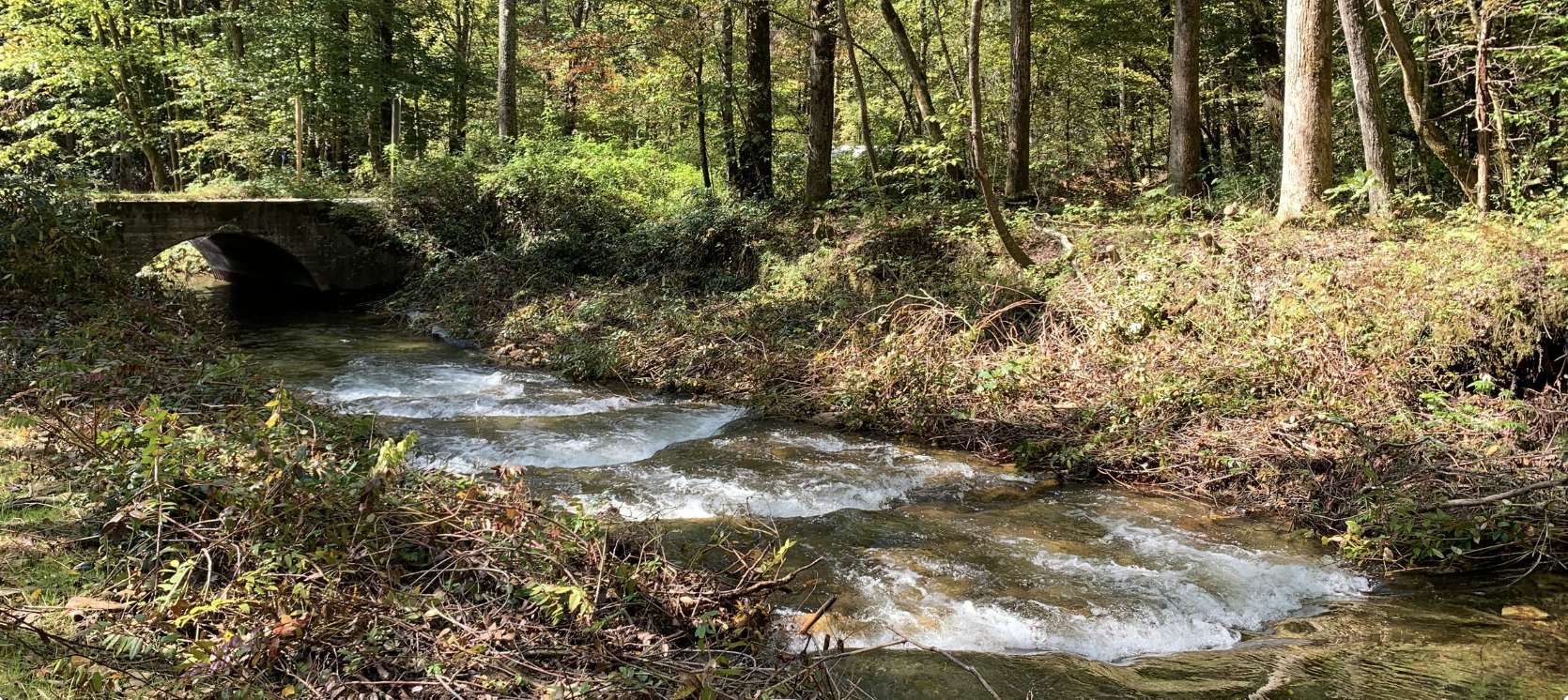


In our practice of stream restoration, we often spend our time obsessing over geomorphic design criteria, velocity, shear stress, sediment transport, 2-D hydraulic models, large woody debris placement, earthwork quantities, erosion control planning and hitting our planting season windows (did we miss anything?). But before the first excavator tracks hit the dirt, there is a different kind of navigation required: the complex landscape of environmental permitting.
To the uninitiated and to some of us in the arena, it seems paradoxical. Why does a project designed to create ecological function uplift (i.e. make things better) require the same rigorous regulatory oversight as a highway project or a shopping mall? The answer lies in the legal definition of "discharge of fill" and the inherent risk of working in sensitive ecosystems.
Below we discuss the primary permits and agency consultations required to move a stream or river restoration project through the regulatory gauntlet so that it is ready for implementation. Important note: we do not discuss the development and establishment of a mitigation banking instrument (MBI), that will be covered in a future Notes from the Field Post. However, most of the items are also part of the MBI review process.
The Big Two: 404 and 401
Most stream restoration projects in the United States fall under federal jurisdiction primarily through the Clean Water Act (CWA). There are two primary permitting components established by CWA: Section 404 and Section 401.
Section 404: The US Army Corps of Engineers (USACE, Federal)
Any project involving the discharge of dredged or fill material into Waters of the United States (WOTUS) requires a Section 404 permit. When we build a new stream channel and abandon the old stream, or construct river bank toe protection, we are “discharging fill” into WOTUS. Most restoration projects will be covered by authorization under Nationwide Permit (NWP) 27, which is specifically designed for aquatic ecosystem restoration, enhancement, and establishment activities. Occasionally authorization under NWP 13 for bank stabilization is used. While the NWPs streamline the process compared to an Individual Permit, it still requires a submittal of a pre-construction notification (PCN) or restoration report.
Section 401: Water Quality Certification (State)
A Section 404 permit is not valid until the state (or tribe) certifies that the project will not violate state water quality standards. The 401 and 404 permit process is often handled concurrently. The 401 permit is processed and administered at the state level (usually by the state’s Department of Environmental Quality or equivalent).
Additional Protected Resources and Agency Consultations
The USACE is usually the lead federal agency and under the CWA Section 404 permit process, they must consult with other state and federal entities to ensure compliance with overlapping authorities or responsibilities.
- The Endangered Species Act (ESA) Section 7: Consultations with the U.S. Fish and Wildlife Service (USFWS) ensure your project won’t have detrimental effects on threatened and endangered species. To avoid effects on federal listed species, USFWS may request specific work windows or time of year restrictions. These are specific dates when you cannot conduct work to avoid fish spawning or roosting seasons for sensitive species like native brook trout and northern long eared bats.
- Fish and Wildlife Coordination Act: Work in WOTUS designated as anadromous fish spawning areas or special/primary nursery areas for protected aquatic species will need to be coordinated with the National Marine Fisheries Service (NMFS) or State marine fisheries/wildlife resources agency. Your project may need to avoid work in waters during certain defined spawning seasons.
- National Historic Preservation Act Section 106 (NHPA): Consultation with the State Historic Preservation Office (SHPO) and/or Tribal Historic Preservation Office (THPO) is conducted to ensure your project doesn't disturb archaeological sites, historic properties, or sensitive cultural resources. This could involve a simple desktop review or may require a field survey by an archaeologist.
- Tribal Consultation: If the project is on or near tribal lands, or impacts treaty-protected resources, formal government-to-government consultation is required.
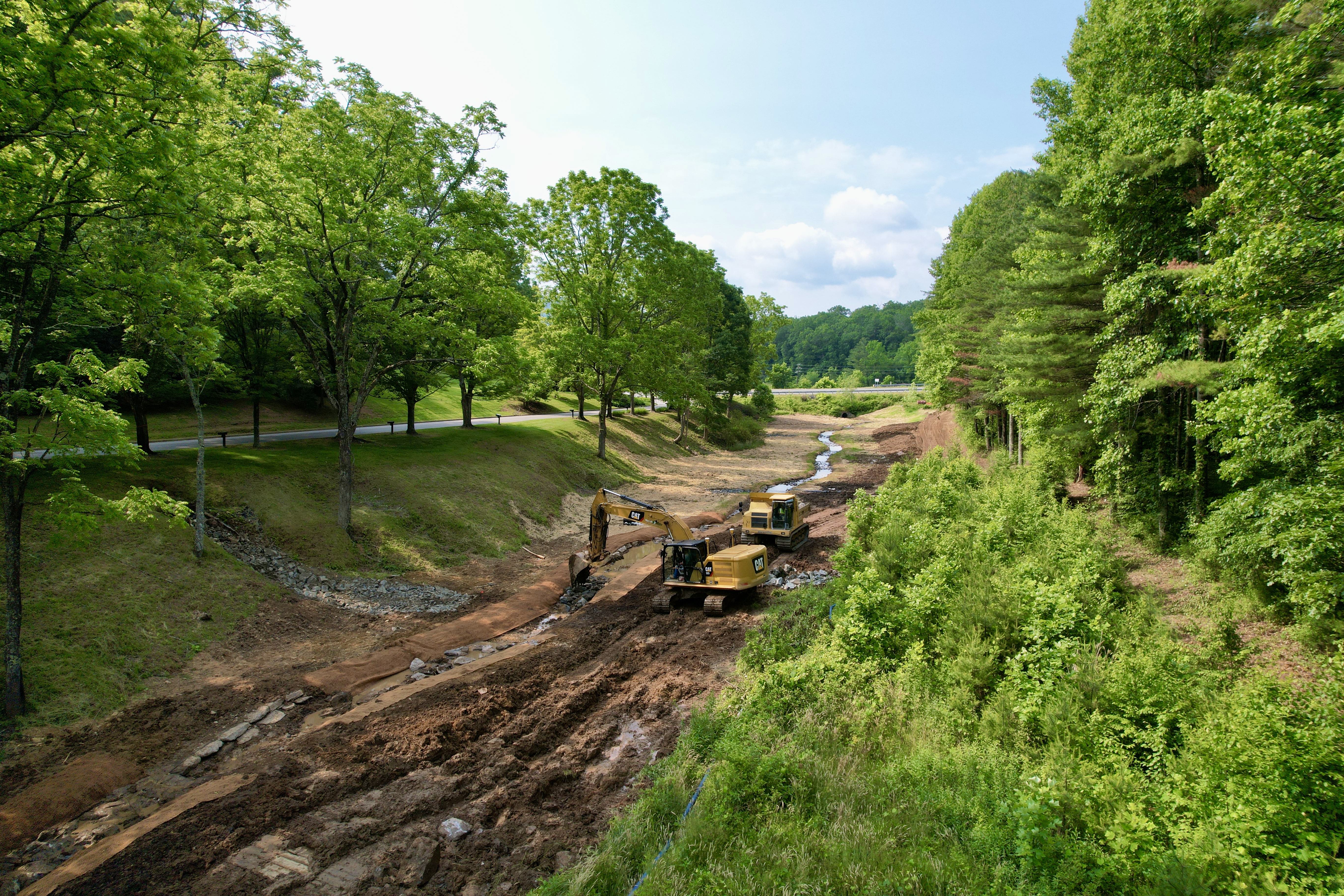
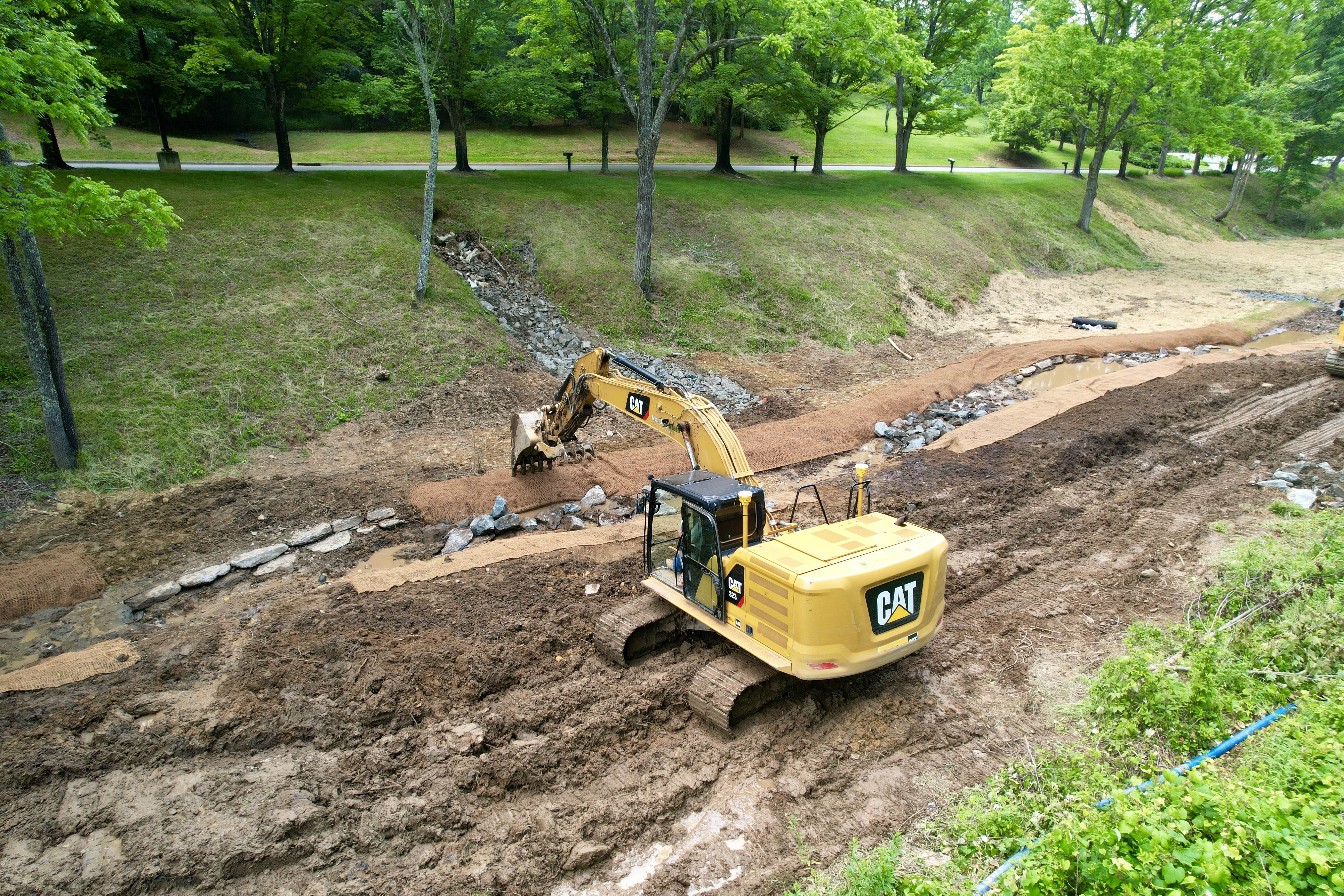
The Hydraulic Hurdle: Floodplain Development Permitting
From an engineering perspective, this is often the most technical and tedious part of the stream and river restoration permitting process. If your project is located within a FEMA-mapped Special Flood Hazard Area (SFHA), you must obtain a Floodplain Development Permit. Generally, you will need to demonstrate via hydraulic modeling that your project will not increase the base flood elevation (BFE). If your project does change the flood elevation (even if you are decreasing the BFE and decreasing the flood risk of the adjacent or upstream property owners), you may need a Conditional Letter of Map Revision (CLOMR) before construction and a final LOMR after completion. We discuss the details of floodplain development permits and FEMA coordination in our post here.
Land Disturbance and Erosion Control
State and local governments will typically handle the land disturbance permits, erosion control plan review, NPDES and buffer variances (though it does vary by state...).
- Land Disturbance Permit (ESC): Sometimes this is referred to as an Erosion and Sedimentation Control (ESC) Permit, which focuses on keeping your construction sediment out of waterways and sensitive aquatic resources. This will typically be issued by the state environmental agency or the local government if they operate their own stormwater and MS4 program.
- National Pollutant Discharge Elimination System (NPDES or Construction General Permit): Required for projects disturbing more than one acre and involves the creation of a Stormwater Pollution Prevention Plan (SWPPP). Though within some local governments the threshold for this permit may be less than 1 acre (e.g. ¼ acre or 12,000 ft2).
- Buffer Protections: Many states have specific "Riparian Buffer" rules that restrict what can be done within 25, 50 or 100 feet of a streambank. Just by the nature of a stream restoration project, we are usually impacting existing buffers. Typically, a variance or waiver must be obtained from the state environmental regulatory agency to follow the buffer protection laws.
In Summary
Well, that was a lot! If you still feel lost in the permitting vortex, we have included a helpful table below that identifies the key permits discussed above, the agencies responsible for them and typical review timeframes.
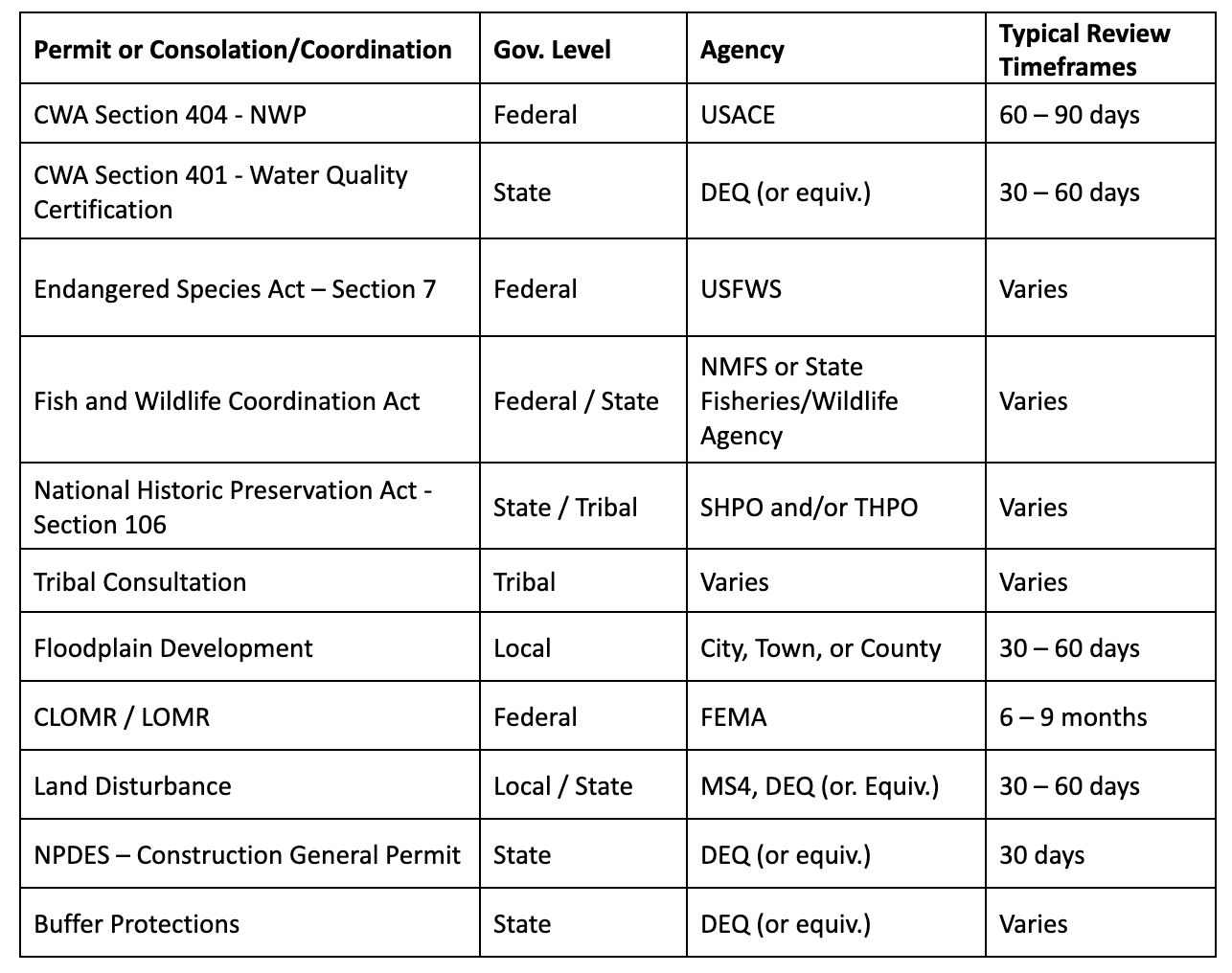
Mastering the regulatory side of the process is what ultimately turns a CAD model and set of plans into a living, breathing ecosystem. By treating permitting as a core part of the process rather than a late-stage hurdle and engaging early with the regulatory agencies you can keep your restoration and conservation objectives on track. After decades of navigating the environmental permitting process, our team has identified three keys to keeping the project on track for implementation:
- Request a Pre-Application Meeting: Don't let your first contact with a regulator be a formal permit application. Bring your conceptual design to the agencies early. They appreciate the transparency, and they often provide feedback that prevents expensive redesigns and schedule delays later.
- Highlight the Uplift: Regulators are trained to look for impacts (i.e. what’s being lost due to the discharge of fill material). Most of the permit applications they receive are for impacts to aquatic resources and habitats that result in a net loss. Your application should clearly articulate the net ecological uplift. Contrast the temporary construction impacts with the long-term gains in habitat, stability, and nutrient reduction.
- The Schedule is the Critical Path: Start your permitting process the moment you have a conceptual drawing available. If you wait until the design is 100% complete, you may find yourself sitting on a shovel-ready project for 12 months waiting for a signature or a lot of them… from every level of government.

JP founded River Mechanics in 2020 after several years conducting applied research and teaching at NC State's Bio&Ag Engineering Department. He has led more than 200,000 linear feet of stream and river restoration across the Southeast and is licensed in NC, SC, GA, TN, and VA.

David spent 2009 to 2022 as a regulatory specialist and geologist with the U.S. Army Corps of Engineers, managing Clean Water Act and Rivers and Harbors Act permitting across ten western North Carolina counties and the Eastern Band of Cherokee Indians tribal lands. At Jennings Environmental he has led regulatory compliance on more than 50 ecosystem restoration projects.